
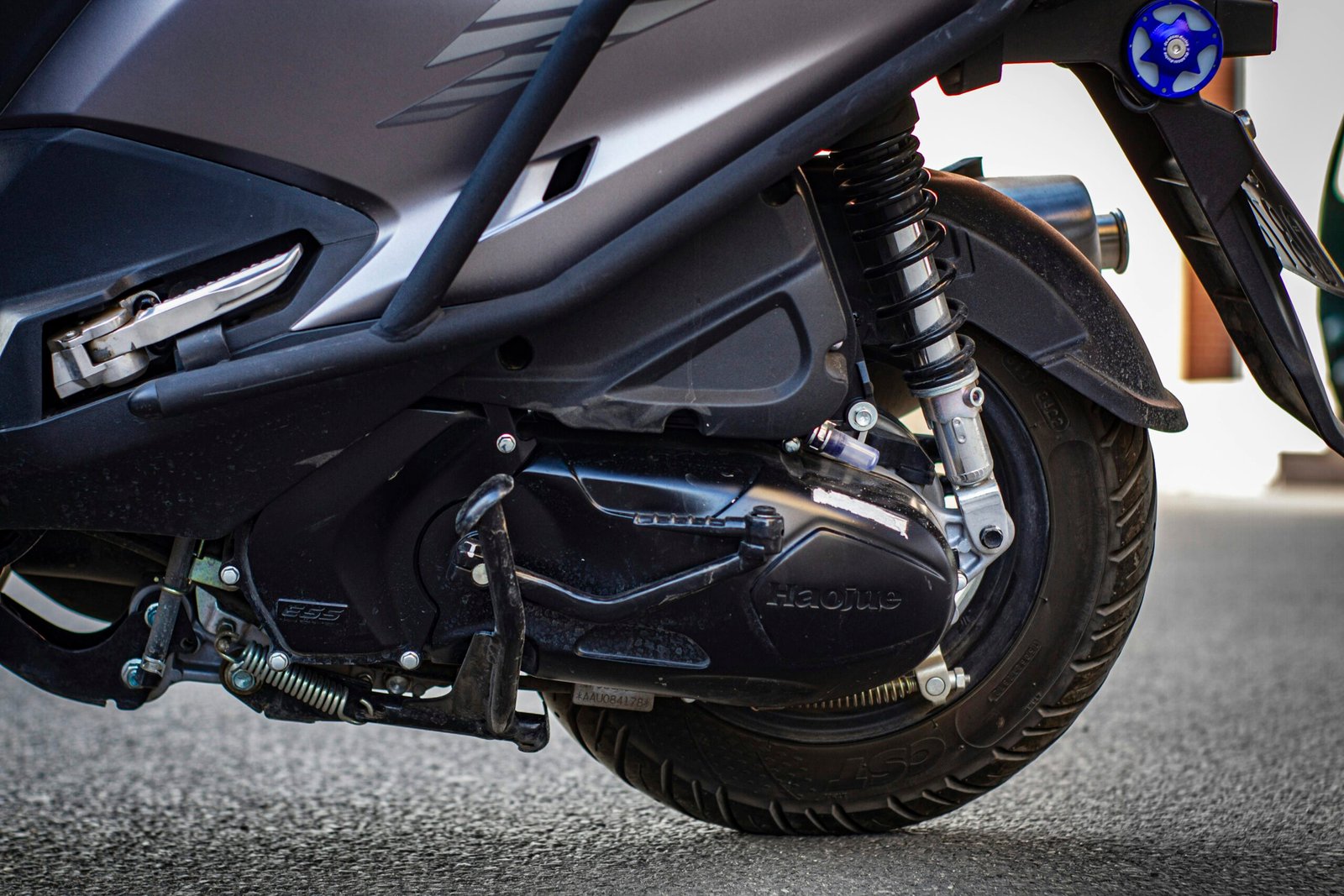
Understanding the Suspension System of the 125 Scooty
The suspension system of the 125 Scooty is a crucial aspect that significantly enhances both ride quality and safety for the rider. This system is designed to absorb shocks from bumps and irregular surfaces, providing a smoother and more controlled riding experience. The key components of the suspension system include forks, shock absorbers, and swingarms, each playing an integral role in the overall functionality of the scooty.
The forks, located at the front, are essential for steering and stability. They connect the front wheel to the main body of the scooty and are responsible for absorbing the initial impacts from the road surface. The design of the forks allows them to compress and extend, adjusting to varying terrain. This dynamic movement ensures that the rider remains balanced, mitigating any harsh impacts that could disrupt the ride.
Shock absorbers are vital for maintaining comfort during rides, particularly on uneven terrain. These components work in conjunction with the forks, controlling the rebound and compression of the suspension. By dissipating energy from road irregularities, shock absorbers prevent excessive bouncing, contributing to a more stable ride. The effectiveness of the shock absorbers is measured by their ability to adapt to different road conditions, providing precise handling without compromising on comfort.
Additionally, the swingarm connects the rear wheel to the body of the scooty, allowing for up-and-down movement while maintaining proper alignment. This component is crucial for the stability and handling of the scooty, ensuring that both wheels maintain ground contact, which is essential for traction. Overall, the suspension system of the 125 Scooty is meticulously designed to offer an optimal balance of comfort and safety, enabling riders to tackle various terrains with confidence.
Common Suspension Issues in the 125 Scooty
The suspension system of the 125 Scooty is critical for delivering a smooth and comfortable riding experience. However, like all mechanical systems, the suspension may experience issues over time, which can significantly affect ride quality and safety. Riders should be aware of common symptoms of suspension failure, such as a harsh ride quality, unusual noises during operation, and excessive bouncing, all of which can indicate underlying problems with the suspension components.
A harsh ride quality often manifests when the suspension system struggles to absorb bumps and jolts from the road, leading to a jittery or uncomfortable riding experience. This sensor is primarily caused by worn-out shock absorbers, which may no longer effectively dampen impacts. Another prominent symptom is unusual noises, such as clunking, banging, or squeaking, which can indicate loose or damaged components. These noises typically emerge from the coupling of different suspension parts, signaling that the system requires inspection and potential repairs.
Excessive bouncing is another clear-cut indication of suspension issues. It can occur when the springs or shock absorbers fail to perform their functions adequately, leading to a bouncing effect after every bump in the road. This not only poses a risk to the rider’s comfort but can also compromise the overall handling and stability of the scooty. The origins of these suspension issues often include ordinary wear and tear, which occurs as components age, and improper maintenance, meaning deficiencies in regular checks and replacements that ensure the suspension remains in optimal condition.
Lastly, riders should consider how road conditions contribute to suspension problems. Riding on poorly maintained roads can exacerbate wear on the suspension system, leading to faster deterioration. Being vigilant about these common suspension issues can help riders maintain the functionality and longevity of the 125 Scooty’s suspension, ultimately enhancing safety and comfort while riding.
How to Access and Inspect the Suspension System
Accessing and inspecting the suspension system of the 125 Scooty is a crucial maintenance task that ensures optimal performance and safety. To begin, it is vital to park the scooter on a flat, stable surface and ensure that it is turned off. Safety equipment such as gloves and goggles should be worn during the process. The first step is to lift the rear of the scooter using a proper motorcycle jack or stand designed for lifting. This will allow you to gain access to the suspension components located underneath.
After the scooter is securely lifted, the next task involves removing any necessary body panels. In the case of the 125 Scooty, many models require the removal of the rear side panels or the seat for accessibility. Use a suitable screwdriver or ratchet set to carefully detach these components, ensuring to keep track of screws and clips to avoid losing them. With the panels removed, you’ll have a clear view of the suspension system.
Begin your inspection by examining the shock absorbers for any visible signs of wear or leakage. Look for oil streaks along the body of the shock, which can indicate that it may need to be replaced. Additionally, check the mounting bolts and bushings for any signs of rust or damage. Next, assess the springs for any signs of sagging or fractured coils, which could adversely affect ride quality. The swingarm should also be inspected for any play or excessive movement that could hinder the suspension’s performance.
Finally, it is advised to use the proper tools such as a torque wrench to ensure that all bolts are tightened to manufacturer specifications upon reassembly. A thorough inspection of the suspension system will not only prolong the life of your 125 Scooty but will also provide a safer riding experience.
Maintenance Tips for Keeping Your 125 Scooty Suspension in Top Shape
Proper maintenance of the suspension system in your 125 Scooty is essential for improved performance and rider safety. Regular inspection intervals should be established to monitor the condition of the suspension components. Ideally, riders should inspect their suspension every 1,000 kilometers or at the onset of any noticeable changes in ride quality. This proactive approach can help identify issues before they escalate into significant problems.
During inspections, pay attention to the springs and shock absorbers for any signs of wear or damage, such as leaks or rust. It’s also crucial to check for any visible cracks or abnormalities in the suspension framework, as these can significantly affect handling and stability. Furthermore, ensure that all mounting points and bolts are tight, as loose parts can lead to vibrations and compromised performance.
Lubrication of moving parts is another vital aspect of suspension care. Regularly applying appropriate lubricants to the suspension components helps maintain flexibility and prevents wear and tear. Consult your owner’s manual for specific lubricant recommendations and follow the manufacturer’s guidelines concerning intervals. Typically, lubricating the suspension every few months is beneficial, especially if you ride frequently or in harsh conditions.
Riders should also be aware of various signs that indicate the need for servicing. If you experience excessive bouncing, instability around corners, uneven tire wear, or leaking fluids from shock absorbers, these may be indicators that your suspension requires immediate attention. It’s advisable to seek professional help when encountering these issues, as delays can compromise safety and lead to costly repairs.
In order to extend the lifespan of your 125 Scooty suspension, adhere to these maintenance tips, and you will enhance your overall riding experience. By staying vigilant and proactive, you can ensure that your suspension remains in optimal condition, allowing for a safer and more enjoyable ride.